



Nablus Soaps
Product Description
Origin Palestine and Lebanon
- Ingredients: Olive Oil, Water, Lye
- Made in the same tradition in Nablus since the 13th century, Palestinian soap is cooked according to the world's oldest soap-making tradition, it is considered by many to be one of the most gentle and least irritating soap. It can be used from head to toe, safe for everyone from babies to people with sensitivities.
We have donated all proceeds of the sales of Nablus soap to support the humanitarian crisis in Gaza.
In December 2023, a total of $700 USD was donated to:
Palestine Children's Relief Fund (PCRF)
Palestine Red Crescent Society
In February 2024, $1230 CAD was donated to UNRWA
In 2025, a total of $6546.64 has been donated so far to
Palestine Red Crescent Society
Zaytoun Unity Relief
Free Kitchen Gaza
Over 10 private family fundraisers
Awaida Roots 1880
Made with Lebanese olive oil by Lebanon's oldest working soap factory, Masbanat Awaida, having operated since 1880.
They are about 25% larger than typical Nablus soap bars.
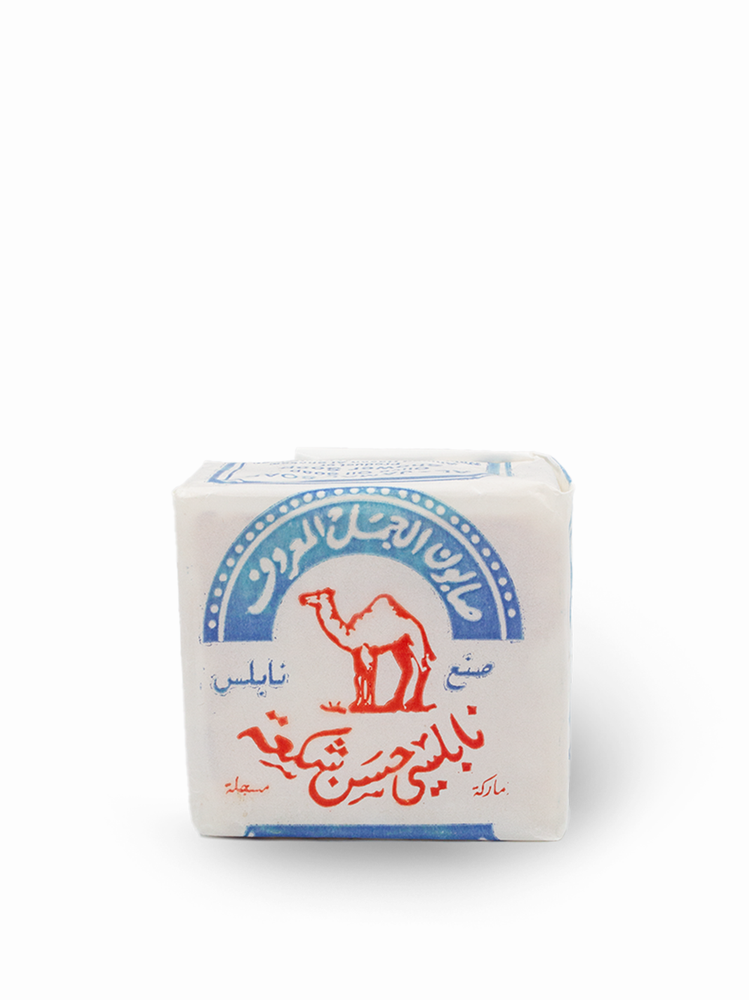
The Camel
The Camel / al-Jamal, made in the Shaka'a family-owned workshop in Nablus, is the most iconic imprint of Nablus soap
The Candle
Produced by the Abu Seir family exclusively from Palestinian olive oil from their orchard. This is from the first batch sold outside of Palestine from their historic brand.
The Land
The Land' is made by the Women's Soap Co-operative of Beita, just south of Nablus. The newest of the Nablus soap brands, al-Ard are true gems.
Since they work in relatively small batches and are connected with many local small producers, their olive oil is often among the very best. The cooperative's equipment is all stainless steel and runs on electricity.
Fair Trade certified
The Olive
From the Tbeleih family's Nablus Soap Company, dating to the 1600s.
Theirs is the only brand made with certified organic olive oil.
Fair Trade certified
The Two Keys
Made by the Tuqan family's soap factory which has persisted through major changes in the city over the past century. It was established in 1359.